For brands
Why UGC out-books the billboard: a hotelier's guide
A brand shoot tells people what your hotel looks like. Creator content tells them what staying there feels like. Only one of those gets saved.
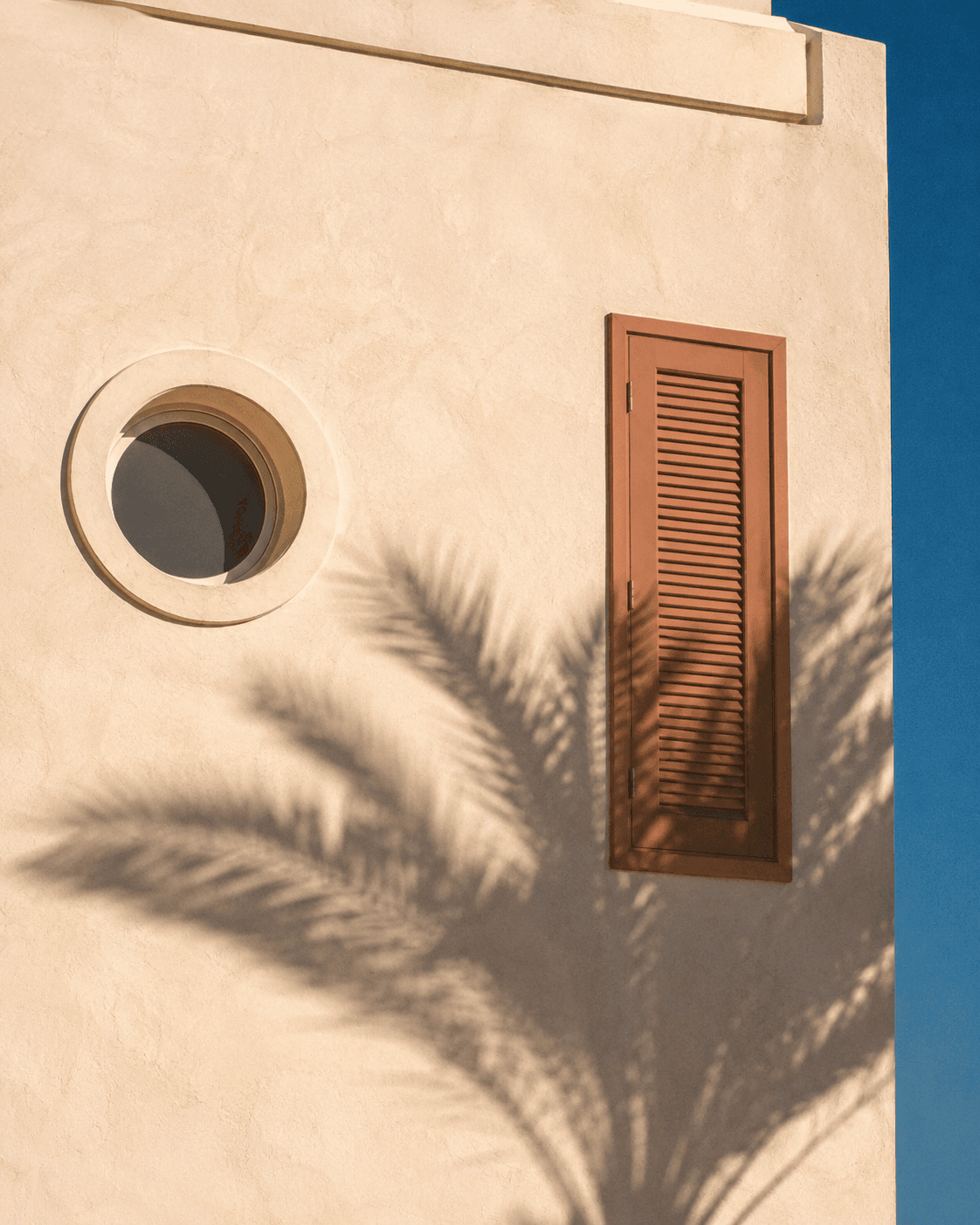
Every hotelier we meet has the same folder somewhere on a shared drive: the brand shoot. Two days, a professional crew, a stylist, forty immaculate frames of empty rooms at the perfect hour. It cost a fortune and it was worth doing. It is also, increasingly, not what sells the room.
The reason is not that the photography is bad. It is that the decision has moved. Guests no longer start with your website. They start with a saved reel, a friend's story, a screenshot in a group chat. By the time someone lands on your booking page they have usually already decided, and what decided them was almost never a brand asset.
The save is the new click
The most useful metric in travel content is not reach or even engagement. It is the save. A save is somebody saying, quietly and privately, I want this later. It is the closest thing social media has to a booking intent signal, and it behaves completely differently from a like.
People do not save adverts. They save plans. A polished exterior shot of your property is an advert. A creator filming the walk from the room to the pool at seven in the morning, with the light doing what it does and nobody else awake, is a plan. That is the distinction, and it is worth more than any production budget.
A brand shoot answers what does it look like. Creator content answers what will it feel like to be me, there.
What creator content does that a shoot cannot
- It shows scale and sequence. Rooms photograph larger than they feel; a walkthrough is honest, and honesty converts better than flattery.
- It shows the property in use. An empty restaurant is architecture. A full one is an evening.
- It ages slower. A creator's footage from March still looks current in September; a themed brand campaign does not.
- It comes in volume. One hosted stay typically yields more usable assets than a full production day, at a fraction of the cost per asset.
- It carries borrowed trust. The audience already decided this person has taste. You are renting that judgement, not buying impressions.
The cost conversation, honestly
A hosted stay is not free. You are giving up inventory, and if you are doing it properly you are giving up your best inventory, in a good month, with real access to the team. The way to think about it is not marketing spend against an empty room, but cost per licensed asset against what you would otherwise pay a production company.
On a typical three-night collaboration we would expect somewhere between twenty-five and sixty usable assets, across stills and vertical video, licensed for your own channels. Compare that to a shoot day and the arithmetic tends to make itself. The difference is that you are also getting distribution to an audience that has opted in, which the shoot never gave you at all.
License it properly or you have bought nothing
This is where most hotels lose the value. They agree a stay, the creator posts, the numbers look good, and six weeks later marketing wants to run the best clip as a paid advert and discovers they never had the right to. The content existed and then it evaporated.
Agree usage before anyone checks in. At minimum you want the raw and edited assets delivered to you, the right to use them on your own organic channels and website, and a defined window for paid usage. Paid rights cost more than organic and they should; you are turning someone's creative work into an advertising asset. Pay for it, agree it in writing, and then actually use it.
What to measure
Resist the urge to judge a collaboration on the view count of the hero post. Views are the least durable thing a creator gives you. Look instead at saves and sends, at direct traffic to your booking page in the seven days after publication, at branded search volume, and at the size of the asset library you now own outright.
The properties that get the most from this treat each collaboration as two separate wins: a moment of distribution, and a permanent addition to their content library. The first fades in a week. The second is still working a year later, in your ads, on your website, in your email. That is the part that out-books the billboard.
Want results like these for your property?
Work with us